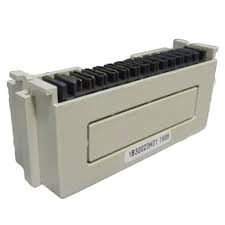
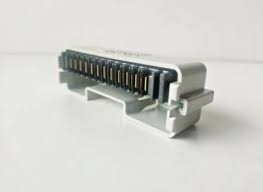
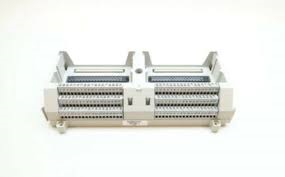
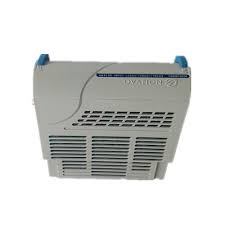
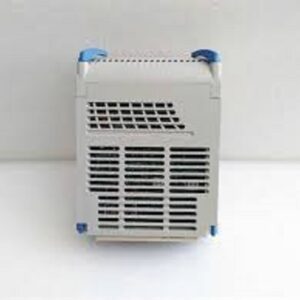
Westinghouse 1B30035H01 BASE ASSY, 2 SLOT STANDARD I/O

Product Details:
Brand Name
Westinghouse
Model
1B30035H01
Condition
NEW
Gross weight
2.1kg
Packing size
20*15*10cm
Payment Term
T/T
Warranty
1 year
Courier Partner
DHL, UPS, TNT, FedEx and EMS
Description:
Industrial-Grade Control Solution
The Westinghouse 1B30035H01 PLC I/O Module delivers robust signal processing capabilities for critical automation systems in power generation, oil & gas, and manufacturing sectors. This hardened module serves as the neural interface between controllers and field devices in harsh industrial environments.
Technical Specifications
Manufacturer
Westinghouse Electric
I/O Type
Digital/Analog Hybrid
Channels
32 configurable points
Operating Temp
-40°C to +85°C
Dimensions
285 x 125 x 63 mm
Certifications
ATEX, IECEx, UL Class I Div 2
Typical Applications
Turbine control systems integration
Safety instrumented system (SIS) interfaces
DCS/PLC redundancy configurations
Vibration monitoring system signal conditioning
Compatible with Westinghouse Ovation® DCS and various third-party PLC platforms. Common replacements for obsolete ABB/Bently Nevada modules.A wide variety of analog and/or digital circuits are associated with the Ovation System’s installation. There are low-level voltage circuits, high-level voltage circuits, circuits that transfer information, and circuits that transfer power. These circuits are placed into two categories: noise-producing circuits and noise-sensitive circuits. Noise problems typically occur when transmitting analog (voltage, current, and other measured values) or digital information (on/off conditions, pulse trains or similar data) via inter-connected or wired circuits.The information carried by signals in such circuits may become distorted during transfer and errors may result from this distortion. The difference between the signal of transmitted information and the signal of that information as received is called noise (see Figure 2-1 and Figure 2-2). The noise minimization techniques briefly described in this section focus on preventing errors by either eliminating the noise, or when elimination is not possible, performing steps to lessen its impact.
Get a Quote
Interested in our Industrial Automation Spare Parts or want to send any enquiries?
Our team is ready to assist you. Fill out the form below, and we’ll get back to you within 24 hours.